
Drones and Robotics
Catalyzed by funding from the NATO Science for Peace and Security Program, the Drone and Robotics hub is focused on the development and use of military drone technologies across air, land, and sea. Our current work is focused on providing NATO members and partner states with strategic insights on identifying and countering next-generation drone threats (especially lethal autonomous threats) across all domains.
Drones and Robotics News
Drone Vulnerabilities and the Threat of Directed Energy Weapons to Drone Survival
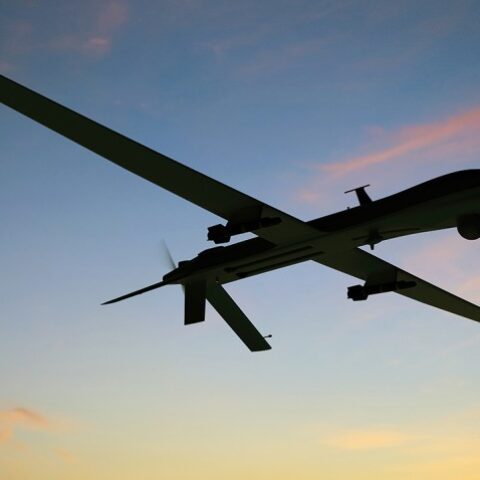
 On Friday, January 23rd, Cornell Brooks Tech Policy Institute Director’s Fellow John Miller gave a seminar on how drone warfare has evolved over the past decade and what it means for future conflict. He traced the shift from expensive, high‑end systems like the Predator and Reaper to cheap, mass‑produced DJI‑scale platforms now central to the war in Ukraine, where entire units are dedicated to drone production, modification, and employment. John highlighted how existing taxonomies of drones fail to capture operational realities and explained his current research on drone fault hierarchies and vulnerabilities, including GPS spoofing, communications jamming, and emerging directed‑energy threats. He noted that while many electronic warfare risks can be mitigated through advanced signal processing and software, high‑energy lasers pose a growing challenge as more states develop scalable directed‑energy systems. His ongoing work explores low‑cost sensing solutions that could help drones detect laser targeting in milliseconds and enable swarm‑level evasive behaviors, with implications for both U.S. doctrine and adversary counter‑drone strategies.
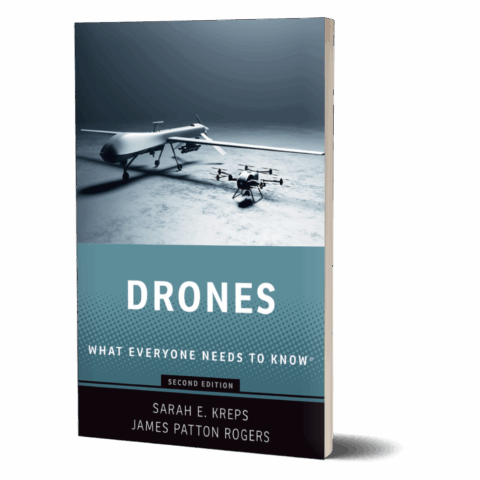
Drones: What Everyone Needs to Know
This week, Tech Policy Institute Director Sarah Kreps and Executive Director James Patton Rogers published their latest book Drones: What Everyone Needs to Know (Oxford University Press) which provides a comprehensive and updated look at the rapidly evolving world of drones. Covering the past, present, and future of military and civilian applications, this book explores how drones have transformed — and are transforming — industries and warfare.
This is the second edition of the volume (first published in 2014) and has been fully updated. It details advancements in drone technology over the last decade, analyzes how drone use in Ukraine and the Middle East is reshaping modern warfare, and covers recent additions to the drone family; including ground drones, maritime drones, FPV drones, quadcopters and fixed-wings, swarms, AI-infused drones, and terrorist drones.
Defending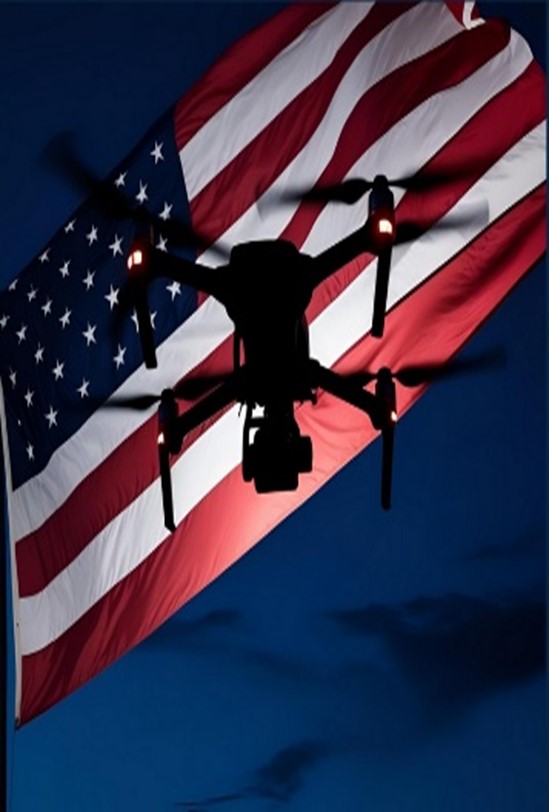 America’s Skies: Public Support for Homeland Counter-Drone Operations
Brooks Tech Policy Institute’s Non-Resident Senior Fellow Dr. Paul Lushenko and Dr. Jennifer Spindel of the University of New Hampshire in a new study challenge the assumption that Americans oppose counter-drone operations on domestic soil. The study provides the first experimental evidence on this topic and was presented to the National Security Council at the White House. According to the study there are three main factors that influence public support, namely: the nature of the drone incursion, the identity of the authority authorizing the response, and the perceived impact on public safety. The findings indicate that despite concerns about potential unintended consequences, such as loss of life or property damage, the American public generally supports such operations.

TPI Leads Global Dialogue on Cyber & Tech Policy in Silicon Valley
Denmark and Australia recently co-hosted the Cyber & Tech Retreat at the World Economic Forum in Silicon Valley, bringing together senior diplomats from more than 25 countries for one of the world’s premier forums on international tech diplomacy.

The Future of Drone Warfare and NATO Security
In late August, leading defense experts convened at Cornell to address the future of drone warfare and its implications for NATO security. The workshop, titled “Full Spectrum Drone Warfare 2050: Developments in Drone Deployment Across All Domains,”…
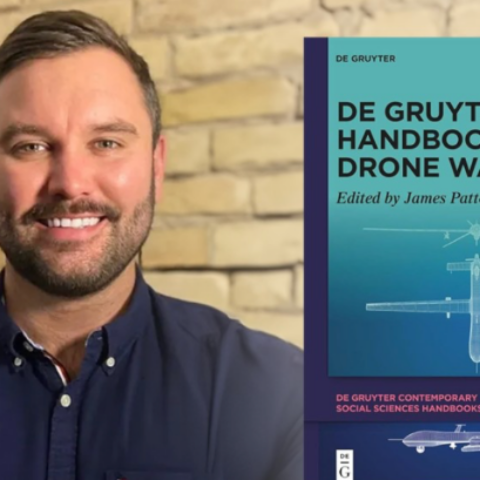
BTPI leads NATO policy work on drone warfare
In late August, a group of leading defense experts gathered at Cornell University to tackle a far-reaching problem: What is the future of drone warfare, and how will drones impact the security and stability of NATO members and partners?…
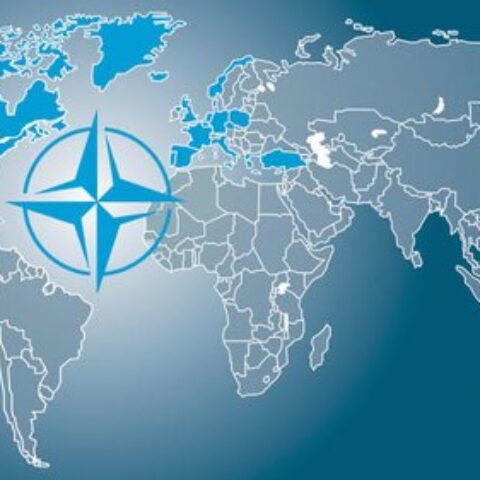
BTPI Awarded NATO Funds for Drone Project
In April, the NATO Science for Peace and Security Programme awarded BTPI $65,000 to analyze the development and use of military drone technologies across air, land, and sea…

Drones in modern war: evolutionary or revolutionary?
Public views drone strikes with other countries’ support as most legitimate
Project Affiliates:
- Dr. James Rogers
- Dr. Sarah Kreps
- Dr. Paul Lushenko
- Dr. Welsey J. Hutto
- Dr. Jean-François Bélanger
- Abby Srulevich
- Esteban Lau
- Anika Kolanu